

24/7 property restoration
Water & Flood Damage Restoration
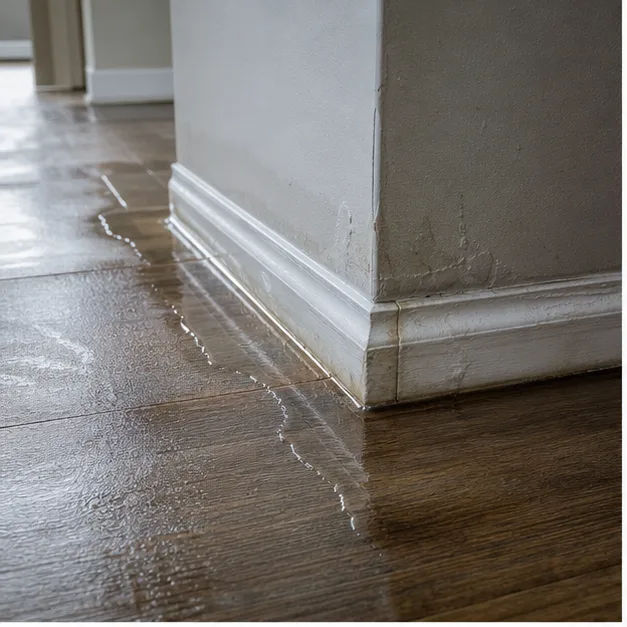
Water can move beyond the visible wet area and affect flooring, wall cavities, insulation, and contents. The first priority is to understand where it travelled, stabilize the source, and create a documented drying and restoration plan.
Assessment / stabilization / restoration
Start with the affected area—not assumptions.
Water extraction, structural drying, and restoration planning after leaks, floods, and sewage-related damage.
- Burst or leaking pipes
- Appliance and fixture failures
- Basement or surface flooding
- Sewage backups and contaminated water
A clear path from damage to recovery.
Water extraction and containment
Structural drying and monitoring
Repair and reconstruction planning
Four stages. One accountable sequence.
Assess
Identify the affected areas, immediate risks, and the next useful action.
Stabilize
Control the source and limit additional damage where the scope allows.
Restore
Clean, dry, remediate, and document the work required for recovery.
Rebuild
Coordinate repairs and return the space to safe, practical use.
Local restoration support where the loss happened.
Water & Flood Damage FAQ
What should I do first after water damage?
If it is safe, stop the water source and avoid affected electrical areas. Call the emergency line so the loss can be assessed and the next safe action can be established.
Can hidden moisture be checked?
The assessment should consider adjacent materials and cavities, not only the visible wet surface. Moisture readings help define the affected area and drying plan.
Do you handle repairs after drying?
General contracting and reconstruction are part of the published service range, allowing the recovery plan to continue beyond mitigation when the scope is confirmed.