

24/7 property restoration
Asbestos Abatement
Older building materials can complicate an otherwise straightforward restoration. When asbestos is suspected, disturbance should pause until the material and required controls are understood.
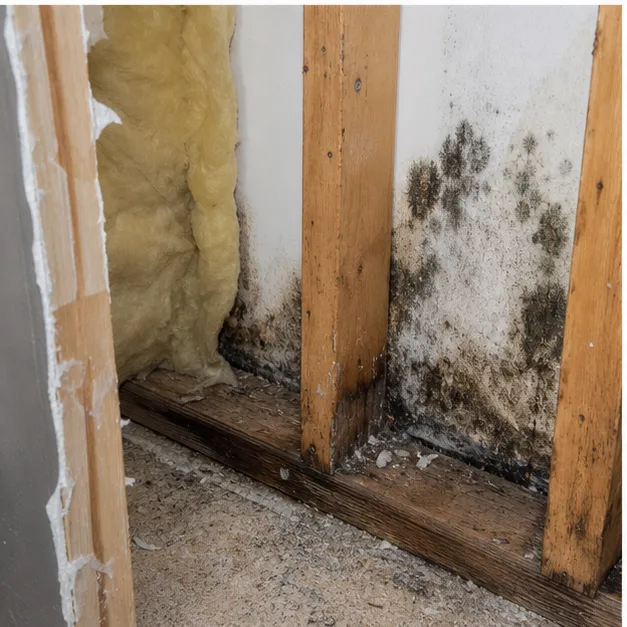
Assessment / stabilization / restoration
Start with the affected area—not assumptions.
Coordinated assessment and abatement planning when suspect building materials affect restoration or renovation work.
- Older drywall compounds or texture
- Suspect flooring and adhesive
- Pipe or mechanical insulation
- Restoration work that will disturb older materials
A clear path from damage to recovery.
Containment and removal planning
Restoration-sequence coordination
Clear handoff into repair work
Four stages. One accountable sequence.
Assess
Identify the affected areas, immediate risks, and the next useful action.
Stabilize
Control the source and limit additional damage where the scope allows.
Restore
Clean, dry, remediate, and document the work required for recovery.
Rebuild
Coordinate repairs and return the space to safe, practical use.
Local restoration support where the loss happened.
Asbestos Abatement FAQ
Should suspect material be removed immediately?
Do not disturb it until the material and required controls are understood. The appropriate assessment and abatement sequence depends on the property and work area.
Can abatement be coordinated with restoration?
Yes. Environmental work may need to be completed before drying, demolition, or reconstruction can safely continue.
Do all older materials contain asbestos?
No. Age and appearance alone do not confirm a material. The project team should establish the appropriate assessment path before disturbance.