

Restoration capabilities
Property damage is connected. The response should be too.
Emergency mitigation, environmental work, contents, and reconstruction organized around one documented recovery path.
Start with the condition, then define the scope.
You do not need to identify every restoration service before asking for help. Start with what you can describe: a leak, smoke residue, a musty area, damaged belongings, or an opening left by a storm. The service pages below explain the different parts of recovery and the conditions each one considers.
Some losses involve several kinds of work. Water may affect both building materials and contents; fire cleanup may also involve drying after suppression water. Choosing a starting point helps frame the assessment without assuming the full repair scope is already known.
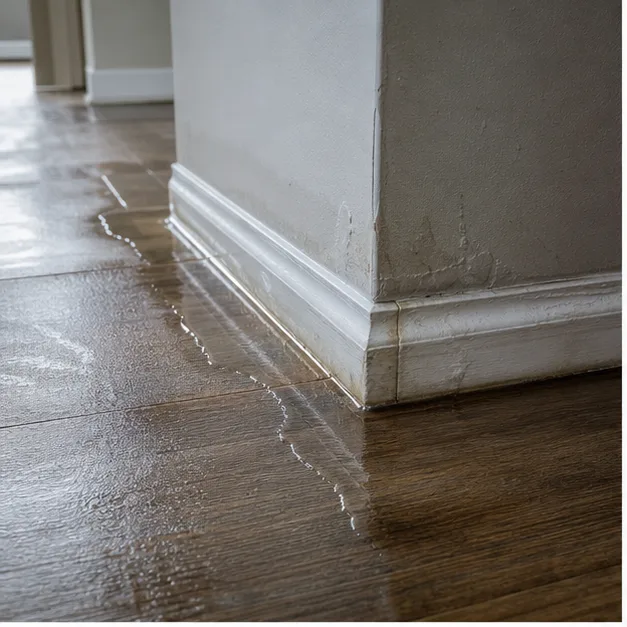
Water & Flood Damage
Water extraction, structural drying, and restoration planning after leaks, floods, and sewage-related damage.
View service →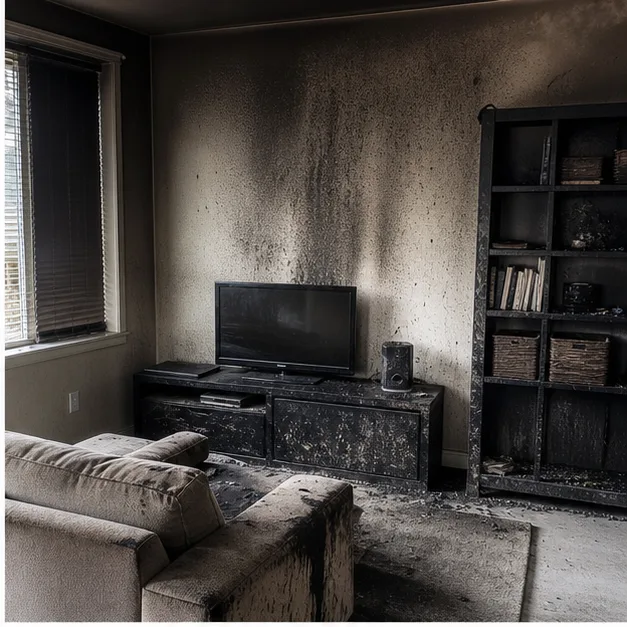
Fire & Smoke Damage
Assessment, cleaning, odour treatment, contents coordination, and repair planning after fire and smoke loss.
View service →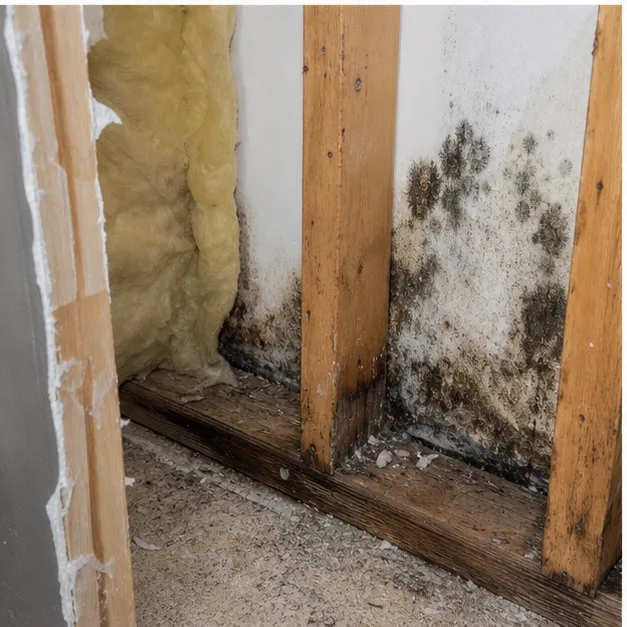
Mould Remediation
Assessment, containment, removal planning, and restoration for localized mould and environmental concerns.
View service →Asbestos Abatement
Coordinated assessment and abatement planning when suspect building materials affect restoration or renovation work.
View service →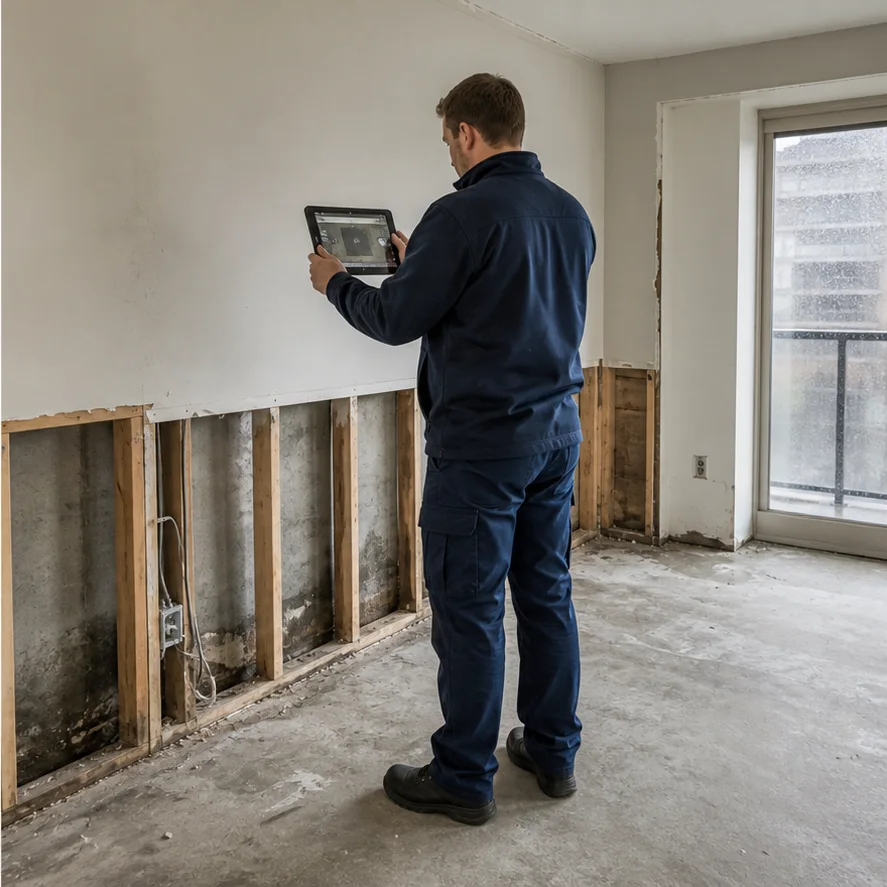
Contents Restoration
Inspection, handling, cleaning, and restoration planning for belongings affected by water, fire, smoke, or mould.
View service →Reconstruction
Repair and reconstruction planning after emergency mitigation, environmental work, and damaged-material removal.
View service →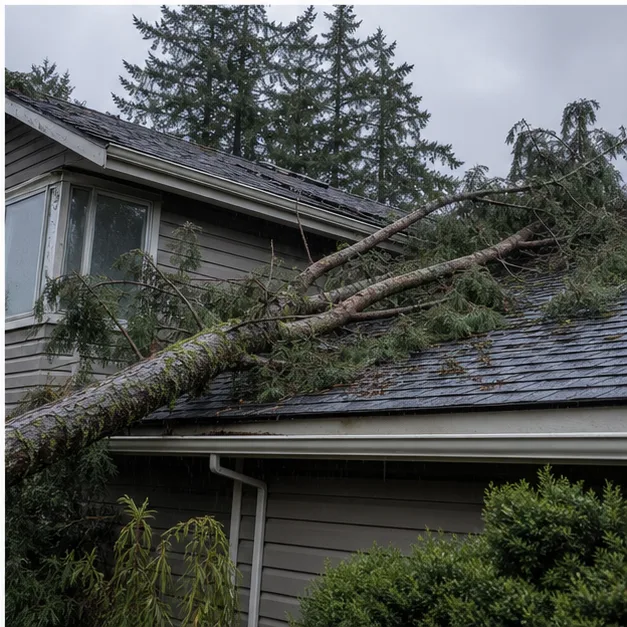
Storm Recovery
Property stabilization and recovery planning after wind, rain, tree impact, and other storm-related damage.
View service →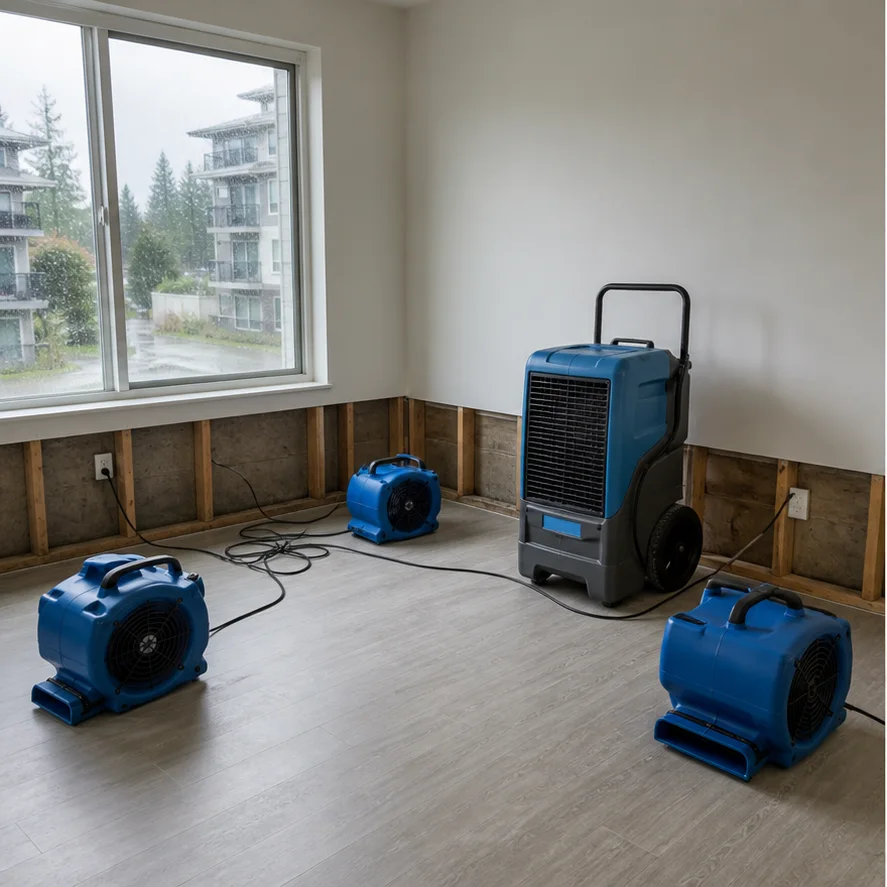
Large & Complex Loss
Coordinated planning for multi-area, commercial, strata, and operationally complex restoration projects.
View service →Understand the handoff from mitigation to repairs.
Mitigation focuses on stabilizing the property and limiting further damage. Cleaning, drying, contents decisions, and any environmental requirements then help establish what can be retained and what needs removal. Reconstruction follows the confirmed repair scope.
When comparing services, consider the building and the belongings separately. Contents may need inventory, handling, and cleaning decisions while walls, flooring, or other assemblies are assessed. Suspect older materials can also require an environmental assessment before disturbance. A useful plan connects these decisions in the order the property needs them.