

24/7 property restoration
Mould & Environmental Remediation
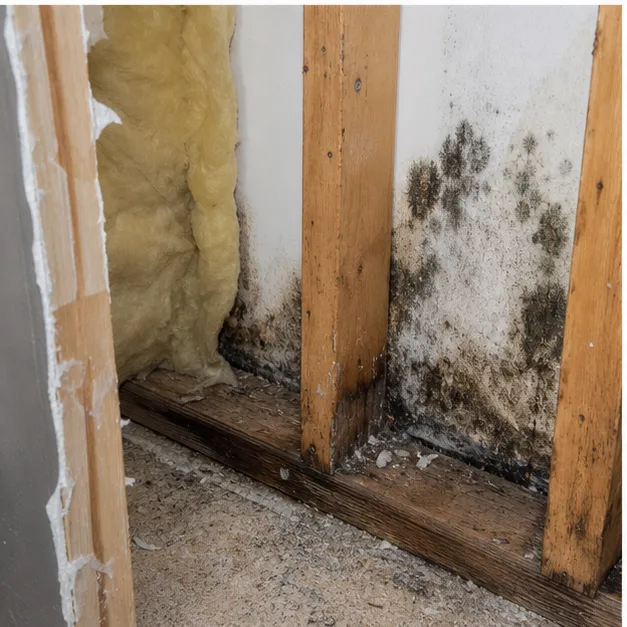
Mould usually points to an underlying moisture condition. A useful remediation plan addresses the affected materials, controls the work area, and identifies the moisture source so the same condition is less likely to return.
Assessment / stabilization / restoration
Start with the affected area—not assumptions.
Assessment, containment, removal planning, and restoration for localized mould and environmental concerns.
- Visible staining or suspected growth
- Persistent musty odour
- Past leaks or recurring condensation
- Affected drywall, insulation, or framing
A clear path from damage to recovery.
Containment and work planning
Removal and cleaning coordination
Moisture-source and repair planning
Four stages. One accountable sequence.
Assess
Identify the affected areas, immediate risks, and the next useful action.
Stabilize
Control the source and limit additional damage where the scope allows.
Restore
Clean, dry, remediate, and document the work required for recovery.
Rebuild
Coordinate repairs and return the space to safe, practical use.
Local restoration support where the loss happened.
Mould Remediation FAQ
Should visible mould be disturbed?
Avoid disturbing a suspected affected area before the scope and containment approach are understood, especially when growth extends behind finishes.
Does remediation include fixing the moisture source?
The restoration plan should account for the condition that allowed moisture to persist. Repairs depend on the confirmed source and project scope.
Is mould work the same as asbestos abatement?
No. They are separate environmental services with different hazards and work requirements. Suspected asbestos-containing materials require their own assessment and plan.