

How Fire and Smoke Damage Restoration Works
What happens after a property fire, from safe re-entry and damage documentation through cleaning, contents work, odour treatment, and repairs.
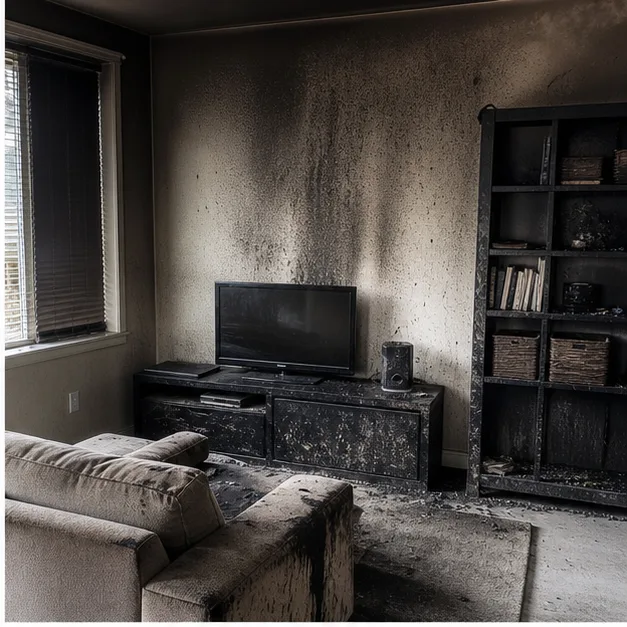
Fire restoration begins only after the property is safe to enter. The work then moves through stabilization, documentation, residue and odour assessment, contents decisions, cleaning, material removal, and reconstruction. Smoke can affect areas far beyond the visible burn damage, so the scope should follow evidence rather than room boundaries alone.
Wait for safe re-entry
Do not re-enter a fire-damaged property until the appropriate authority has said it is safe. Fire can weaken structural components, damage wiring, leave unstable debris, and create contaminated air or water. Even a smaller incident can leave hazards that are not obvious from the doorway.
Once access is permitted, avoid switching on questionable electrical equipment, testing affected appliances, or disturbing heavy residue. If temporary weather protection, board-up, or another stabilization measure is needed, it should be coordinated with the overall restoration plan.
Document the full affected area
The first restoration assessment records the direct fire damage and the secondary effects of smoke, soot, heat, and suppression water. Photos, room notes, material conditions, odour observations, and contents records help define the scope and create a clearer handoff between emergency work, cleaning, and repairs.
Smoke movement is influenced by air paths, temperature, open doors, mechanical systems, and the materials that burned. Residue may settle on walls, ceilings, fixtures, fabrics, electronics, and stored items outside the room where the fire started.
Stabilization comes before detailed restoration
The property may need unsafe areas isolated, openings secured, standing water removed, or wet materials dried before detailed cleaning begins. Fire and water damage often overlap because of suppression efforts or damaged plumbing. These connected conditions should be sequenced as one recovery plan rather than treated as unrelated projects.
A professional fire and smoke damage restoration assessment establishes which areas can be cleaned, which materials require removal, and which work must happen before occupants or trades can safely return.
Cleaning depends on the residue and material
There is no single cleaner or technique for every fire loss. Residue can vary with the fuel, temperature, ventilation, and surface involved. An aggressive method that works on a durable surface may permanently damage paint, finished wood, fabric, stone, electronics, or artwork.
For that reason, restoration teams normally identify surface types, select an appropriate method, and test where practical. Painting over residue or using fragrance to cover odour does not address the underlying contamination.
Contents need their own decision process
Furniture, clothing, documents, electronics, art, and personal items may need to be inventoried and evaluated separately from the building. Some can be cleaned or restored; others may be unsafe or impractical to recover. The decision depends on material, heat exposure, residue, moisture, condition, and the value of the item to the owner.
Quick Start's contents restoration service supports the inspection, handling, documentation, and restoration planning for affected belongings. Avoid discarding significant items before they have been recorded and the next step is clear.
Odour treatment follows source removal and cleaning
Persistent odour can remain when residue is still present in porous materials, cavities, contents, or the ventilation system. Deodorization works best as part of the cleaning and material-removal plan—not as a substitute for it. The treatment method should match the confirmed source and affected materials.
Reconstruction closes the recovery sequence
After unsafe material is removed, affected surfaces are cleaned, and drying or environmental requirements are complete, the repair scope can be finalized. Reconstruction may include insulation, drywall, flooring, millwork, paint, fixtures, or broader structural and finish work.
If a Metro Vancouver home or business has experienced fire or smoke damage, contact Quick Start for the next assessment step. For an active emergency, use the published emergency phone number.
FAQs
Can smoke damage affect rooms where there was no fire?
Yes. Smoke and fine residue can move through doorways, air paths, and mechanical systems before settling on surfaces and contents away from the burn area.
Should I clean soot from walls myself?
Avoid aggressive wiping before the residue and surface are understood. The wrong method can smear residue, drive it into porous material, or damage the finish.
When can reconstruction begin?
Reconstruction follows stabilization, required cleaning, drying, and environmental work. The repair phase begins once the affected area and removal scope are properly defined.